A field guide for growers, custom applicators and equipment buyers, built on the public record and on RADS’ direct meetings with DJI. Including DJI’s national sales representative for the United States.
Known. Heard. Still uncertain.Every claim is labeled
Published Aug. 20, 2026Updated Aug. 25, 2026 · Verify before you buy
Walla Walla, WashingtonWritten by operators who fly the acres
A tariff headline turned into a grounding rumor. An FCC action turned into a prediction about every DJI aircraft in the country. Parts, software support and future models got folded into the same conversation. They are connected. They are not the same question.
The most important question for many prospective buyers is no longer simply “which drone should I buy?” It is “if I purchase a DJI drone today, will I still be able to operate, repair, update, and support it five or ten years from now?”
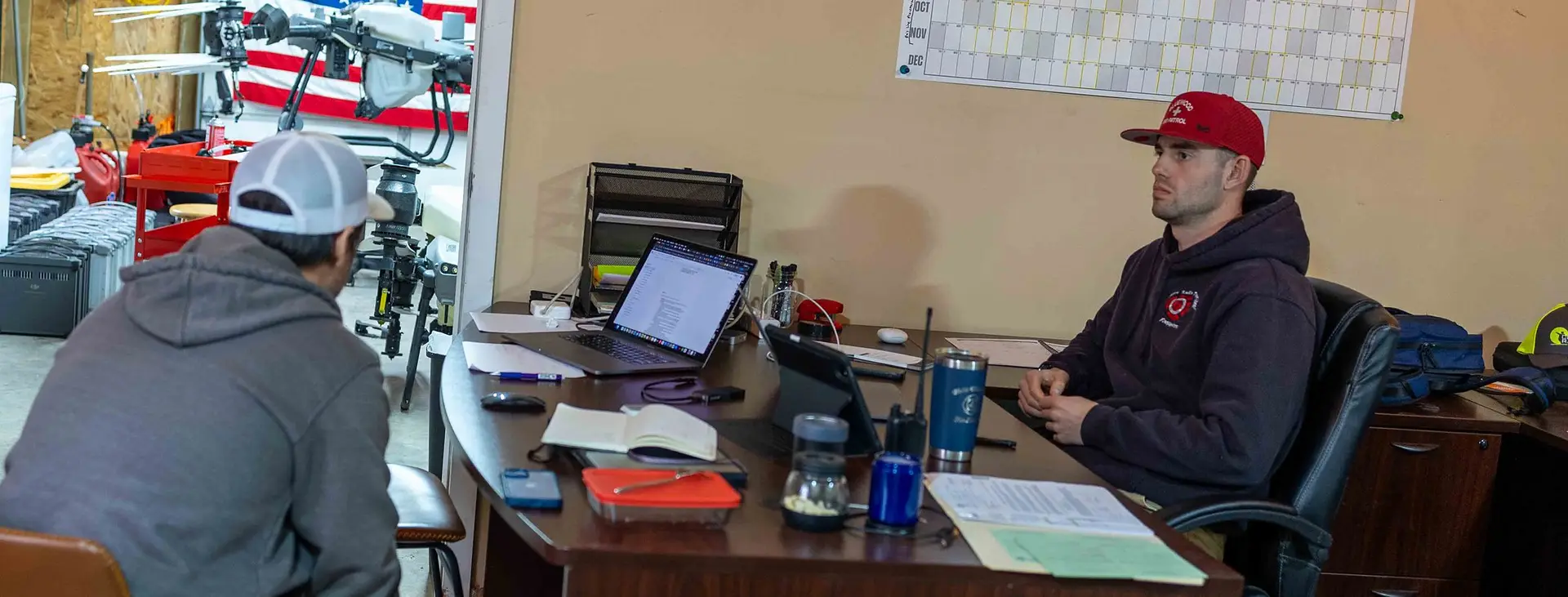
Cody, co-founder, Rise Above Drones. From DJI and the American spray drone market, the RADS market memo behind this briefing. Cody runs RADS’ Part 137 operation, its Section 44807 exemption, its pilots and its service bench. In preparing it, he met directly with DJI’s national sales representative for the United States.
Cody’s bottom line, and ours: these are not the same claim.
"Existing DJI drones will stop working or become illegal."
If you already own an authorized DJI aircraft, nothing that takes effect on September 3 grounds it. The harder questions are parts, software support, which future aircraft can enter the country, and what all of that does to long-term ownership value. [1][3][4]
Public record: FCC orders and FAQs, the Section 232 proclamation, FAA guidance, DJI’s published specifications.
What DJI representatives told RADS directly. Attributed, and not a warranty or a regulatory commitment.
Our judgment as a Part 137 operator and DJI Agras dealer that flies, sells and services these aircraft.
Scenarios nobody can promise: future approvals, prices and policy.
The FCC governs equipment authorization and marketing. CBP applies tariff law at customs entry. The FAA and state regulators govern lawful operation. Software and firmware support is a separate manufacturer-and-FCC permissive-change question. Treating those systems as one story is where most of the confusion starts.
Foreign-produced UAS and UAS critical components are added to the FCC’s Covered List. New models cannot receive equipment authorization. The action does not itself pull previously authorized models from use, import or sale. [3][4]
FCC fact sheet: consumers can keep using any device that received an equipment authorization, and the additions do not prohibit the import, sale or use of existing authorized models. Certain drones come off the list after Department of War determinations. [4]
Waiver extended and expanded: covered UAS and components may keep receiving software and firmware updates that mitigate harm to consumers through at least January 1, 2029. [5]
Public Notice DA 26-758 proposes barring continued importation and marketing of previously authorized foreign-produced “military-grade” UAS and covered components. The definition reaches ordinary agricultural spray platforms: dispensing “economic poison” under FAA Part 137 or weighing 55 pounds or more at takeoff each qualifies on its own. Continued use of aircraft already owned is expressly outside the proposal. [12]
Federal Register publication opens a separate comment period in PS Docket 26-184 (DA 26-832; 91 FR 54713), with comments due September 23. The proposal targets specified previously authorized Anzu equipment—including FCC IDs 2BBYS-RAPTOR and 2BBYS-RRC01. It does not apply to other already-authorized covered equipment and would not prohibit continued use of units already purchased. [6]
The President signs the proclamation adjusting imports of unmanned aircraft systems and UAS components. [1]
Public comments on the “military-grade” proposal are due in PS Docket 26-189. DJI has publicly urged U.S. operators to file. If the proposal is adopted as written, import and marketing of covered models would end 180 days after a final rule is published. [12][13][14]
100% additional duty on Annex I aircraft (over 25 kg maximum takeoff weight), docking stations and listed critical components, including motors, ESCs and lithium-ion batteries. Annex II aircraft at 25 kg and under are subject to 25%. The effective event is entry for consumption—or withdrawal from warehouse for consumption—at or after 12:01 a.m. Eastern on September 3, subject to the proclamation’s listed exceptions and lower-rate pathways. [1][2]
A 25% additional duty begins on the Annex III component categories. [1]
Earliest end of the current software and firmware waiver for covered equipment. [5]
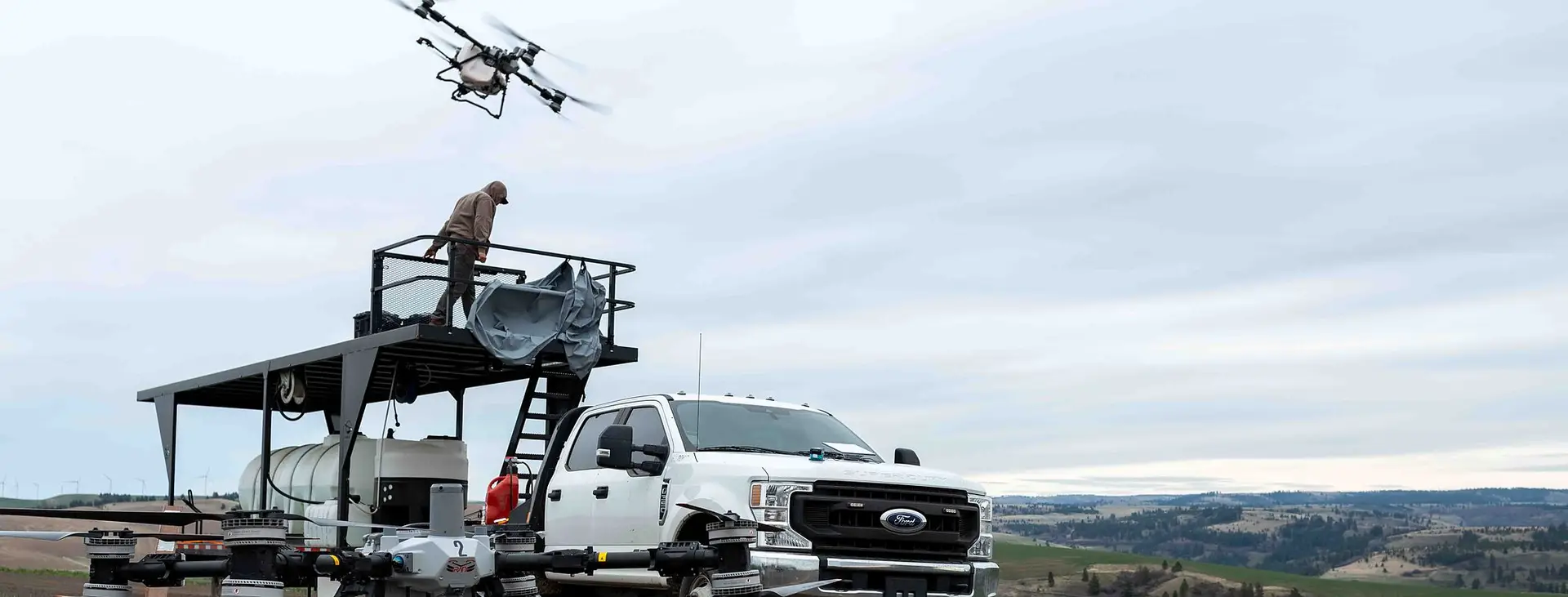
Cody’s memo separates four issues that get confused for each other: whether an existing DJI drone can legally keep operating, whether an existing model can keep being sold, whether more aircraft and replacement parts can keep being imported, and whether future DJI models can get approved. Each is decided at a different desk, and a change to one does not automatically change the others. [11]
Registration, a Part 137 operator certificate, the Section 44807 exemption for aircraft over 55 pounds, Part 107 pilots, airspace and state pesticide rules. Nothing in the FCC action or the tariff proclamation touches this question. [9][10]
Covered List status and the model’s existing FCC equipment authorization control authorization and marketing questions. The FCC waiver separately permits qualifying software and firmware changes for already-authorized covered devices through at least January 1, 2029; it does not require a manufacturer to provide support. This is where new models are blocked and targeted proceedings can revisit old ones. [3][4][5][6]
HTS classification, country of origin, and whether the goods are entered for consumption or withdrawn from warehouse for consumption determine the Section 232 duty. Physical presence in the United States, by itself, does not settle tariff exposure. This changes landed cost and supply—not whether an authorized aircraft may lawfully be flown. [1][2]
Parts inventory, the repair bench, warranty, software attention and a distributor’s commitment to an installed fleet. The public record says little here; the channel says more, and it is labeled that way. [11]
Most bad market advice answers one of these questions as if it settled all four.
PS Docket 26-189, published August 3, is the broad capability-based proposal. It reaches ordinary agricultural spray platforms because dispensing under Part 137 or weighing 55 pounds or more at takeoff independently meets the FCC’s proposed “military-grade” definition; comments are due September 2. A separate notice in PS Docket 26-184, published August 24, targets specified previously authorized Anzu equipment; comments are due September 23. Both are proposals about importation and marketing—not final rules and not orders grounding aircraft already purchased. [6][12]
An end to continued import and marketing of previously authorized foreign-produced UAS and covered components that meet any “military-grade” trigger: 55 pounds or more at takeoff, dispensing “economic poison” under FAA Part 137, thermal imaging, LiDAR, docking stations, certain defense articles, or swarm control. An Agras-class sprayer meets the weight and dispensing tests by design. If adopted as written, covered import and marketing would end 180 days after a final rule is published. [12]
Expect confusion: this will be read as “spray drones are banned.” The proposal is narrower — it is about future imports and future sales of certain foreign-produced equipment. [12]
It sharpens the memo’s core argument. If future imports of foreign spray platforms can be shut off, the aircraft, batteries and parts already inside the country become the supply that matters and the dealer’s inventory, bench and support commitment matter more than any spec sheet. Buying decisions move earlier; support questions move to the front. Nothing about this proposal makes a previously authorized, already-imported T50 or T100 less usable than it was in June. [11][12]
If the capability-based proposal touches your operation, file in PS Docket 26-189 by September 2 and explain the operational and economic effect with numbers. Comments on the separate Anzu-specific proceeding are due September 23 in PS Docket 26-184. [6][12][13][14]
Applies to Annex I aircraft, docking stations and listed critical components entered for consumption, or withdrawn from warehouse, on or after September 3, 2026, on top of duties already in effect, including Section 301. [1][2]
Annex I starts at 25 kg maximum takeoff weight. DJI rates the Agras T50 at 92 kg for spraying and the T100 at 175 kg; both sit well inside Annex I. Lighter UAS fall under Annex II at 25%. [2][7][8]
Cody’s framing: a drone can remain legally supportable and still become considerably more expensive to import. Those are two different facts. [11]
Annex I names motors, electronic speed controllers, lithium-ion batteries and docking stations alongside the aircraft: the parts a spray operation buys most. A second component list, Annex III, waits until February 9, 2027 at 25%. Everything else depends on how a specific part is classified and where it was made. Companies on the Blue UAS or FCC Conditional Approval lists as of September 2 get a 180-day delay; nothing in the public record places DJI on either list. [1][2]
Statements marked HEARD come from Cody’s direct conversations with DJI representatives, including his meeting with DJI’s national sales representative for the United States on Friday, August 21, 2025. Written up in the RADS market memo of August 22, 2026. They describe support strategy, product plans and inventory thinking that may not be publicly documented yet. Treat them as industry information from DJI personnel, not as guarantees of regulatory outcomes. [11]
The FCC’s own FAQ: consumers can continue to use any device that received an equipment authorization, and the Covered List additions do not prohibit the import, sale or use of existing authorized models. An FCC limit on future equipment authorization is not an FAA prohibition on operating an aircraft. Even the July “military-grade” proposal keeps that line: continued use of equipment already purchased is expressly outside its scope. [3][4][12]
DJI representatives told RADS that DJI intends to continue supporting existing approved platforms, including firmware maintenance and software support. On the public side, the FCC waiver allows qualifying software and firmware updates through at least January 1, 2029. [5][11]
T50 development is expected to focus on maintenance and bug correction rather than major new features, DJI representatives told RADS, while the T100 remains the focus of current engineering. A mature aircraft can stay supported without receiving every new capability. Normal for technology products, and worth knowing before you buy. [11]
A future restriction on a T200, T100S, T55 or another not-yet-approved model does not automatically make a previously authorized T100 or T50 unusable. Existing equipment and future equipment are separate regulatory questions. [11]
Cody’s memo argues that parts availability may matter more than aircraft availability. Aircraft imports and replacement-part supply are separate questions, and the second one decides whether the herbicide pass, the fungicide window or the fall seeding gets done on time.
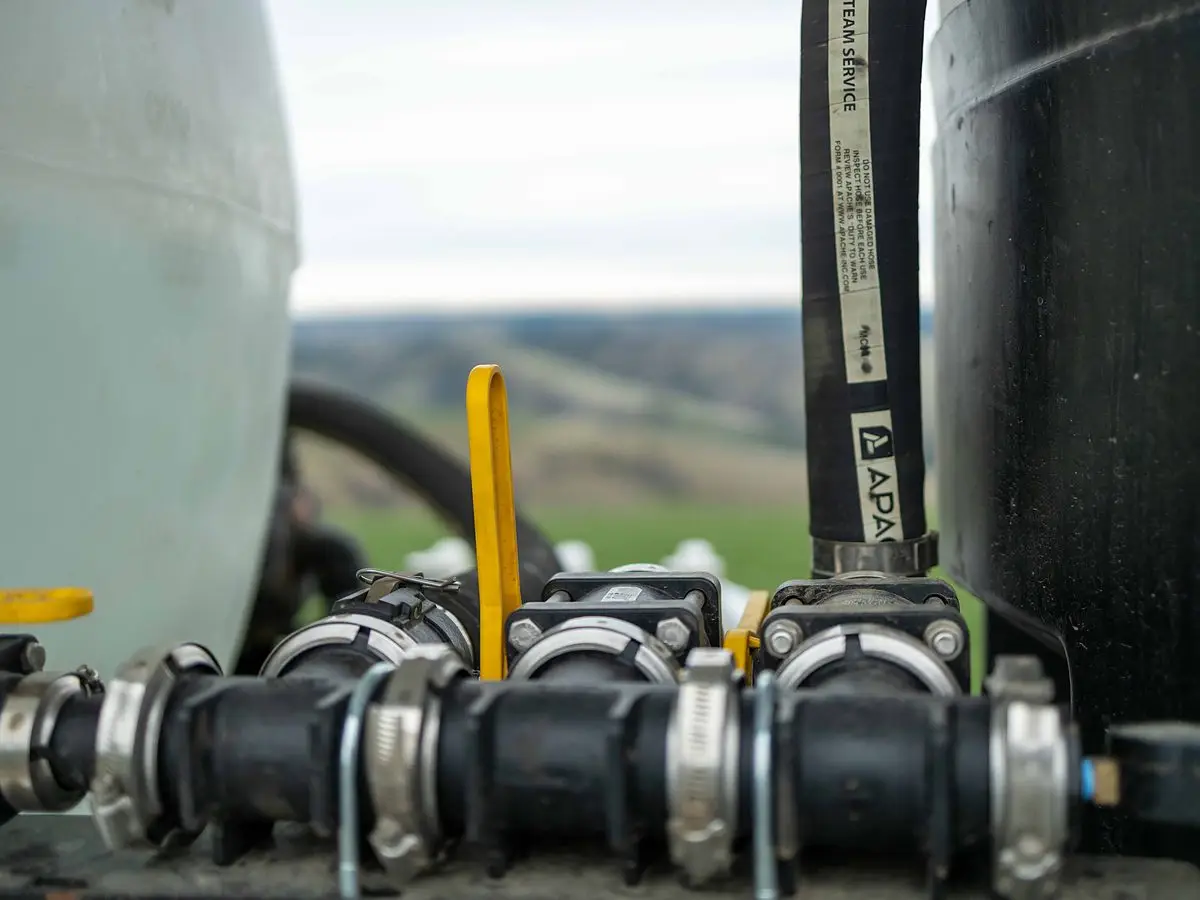
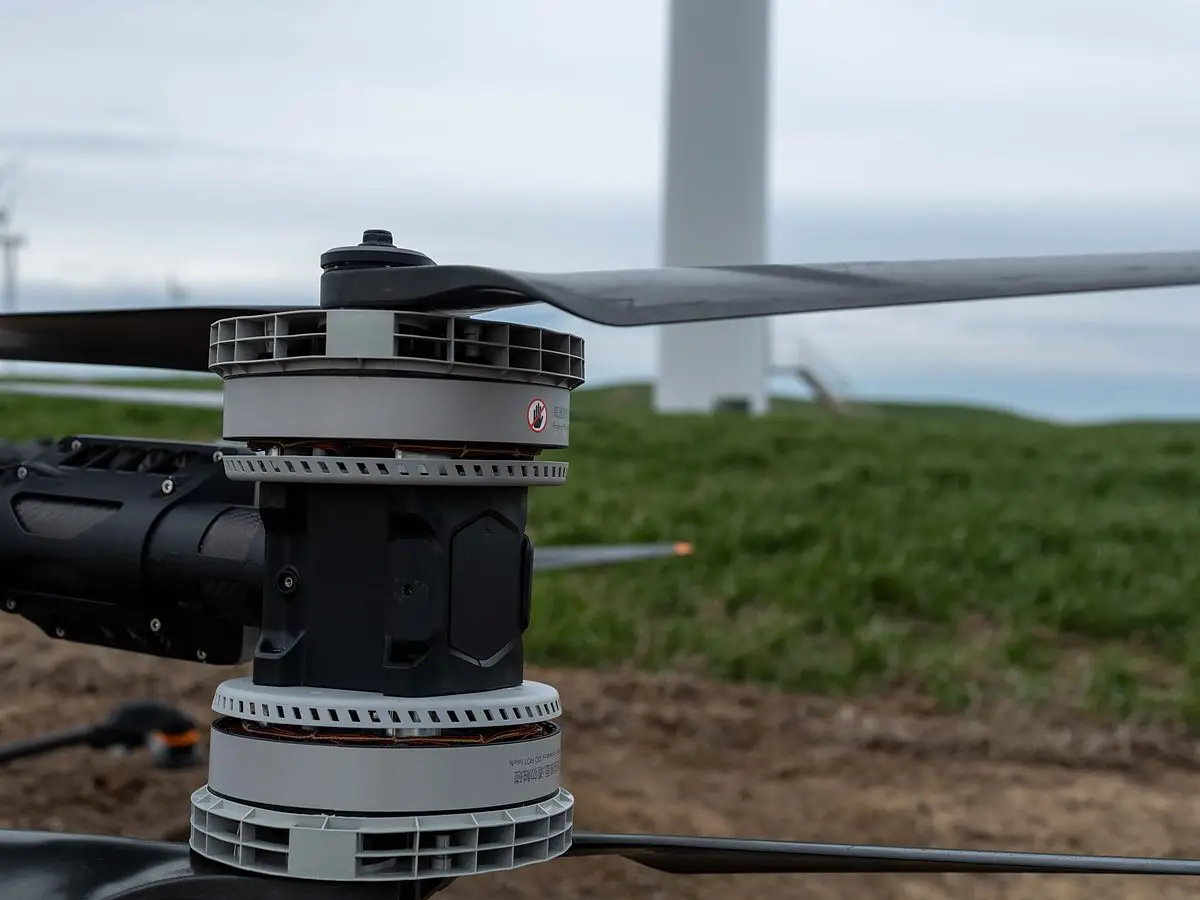
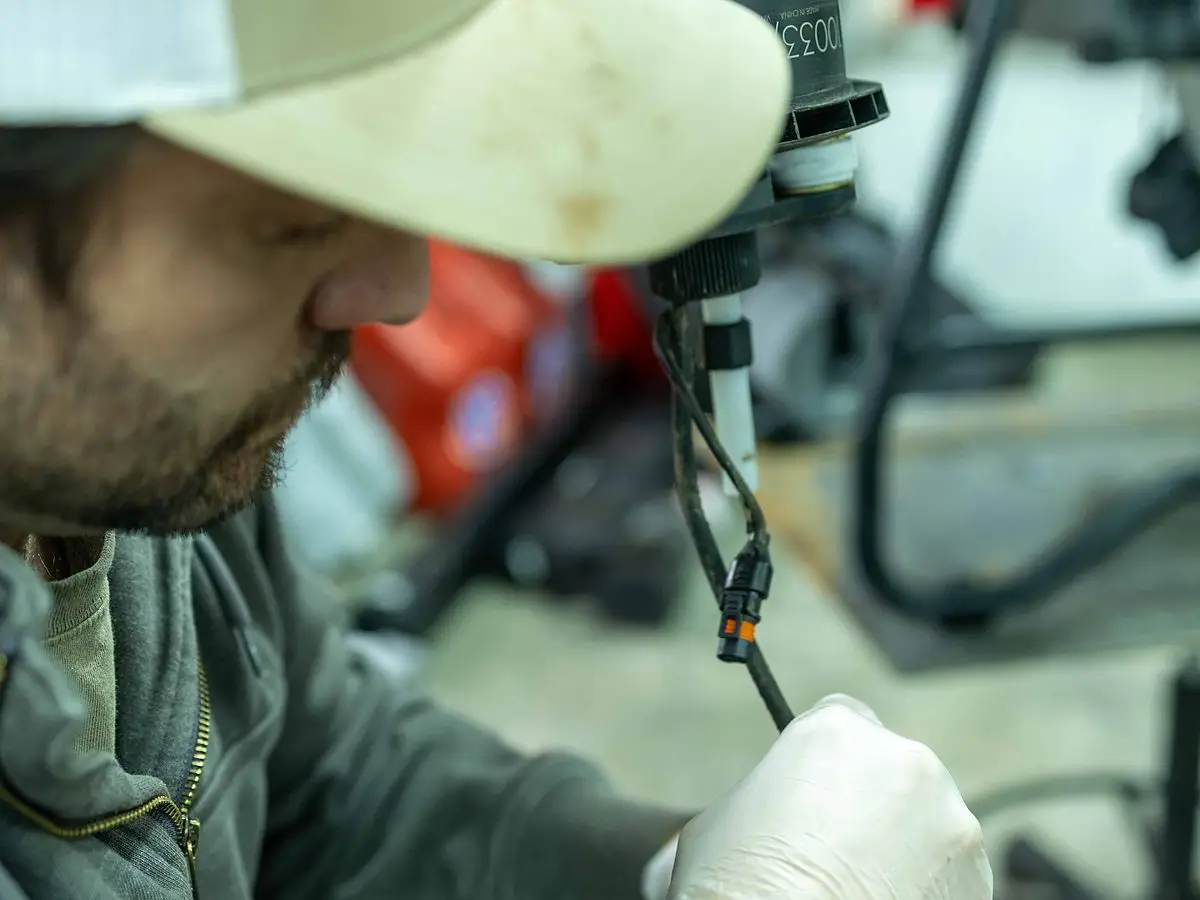
Not just the aircraft. From the memo’s own list:
DJI representatives indicated that distributors have been encouraged to hold inventory for warranty, replacement-part and service needs. That inventory can support the installed fleet, but physical location alone does not decide new-duty exposure or future marketability. For Section 232, the key event is whether goods were entered for consumption—or withdrawn from warehouse for consumption—before 12:01 a.m. Eastern on September 3. For the FCC, a later final marketing prohibition could affect advertising, distribution and sale of covered unsold inventory already in the United States; continued operation of already-purchased equipment remains outside the current proposals. [1][6][11][12]
Parts and support remain available for the Agras MG-1, DJI’s early-generation platform, according to DJI representatives; some low-volume components now have to be special-ordered. Not a guarantee for every Agras generation, but evidence about what DJI does when an aircraft is no longer its current model, which is the better question to ask of any manufacturer. [11]
Annex I already names motors, ESCs and lithium-ion batteries. Beyond that, treatment depends on the part, its classification, its country of origin and any exclusions. A multi-purpose aircraft like the T100, rated by DJI for spraying, spreading and lifting up to 100 kg, shares components with non-agricultural uses, which complicates classification. Do not assume every DJI part gets 100%, and do not assume anything agricultural is exempt. [1][2][8][11]
DJI is not slowing down. By the company’s own count, more than 600,000 DJI agricultural drones were operating worldwide by the end of 2025, supported by roughly 3,500 service and repair centers. The question for the American market is narrower: what will be allowed to enter, at what cost, and under what conditions. [11]
The Agras T100 launched globally in 2025 on more than a decade of agricultural drone development, and newer variants are already appearing overseas. U.S. customers are buying into a product line that keeps developing even while regulation limits which products reach them. The T50 and T100 that RADS flies, sells and services are previously authorized, in-country aircraft. [8][11]
DJI representatives have discussed next-generation and derivative aircraft with RADS, including the T55, T100S, T70-series and T200, with work in LiDAR-based obstacle sensing, higher payload and spray capacity, lifting, multi-aircraft operations, battery architecture, automation and flight software. International availability is not U.S. availability: each still has to clear the American regulatory process before it can be sold here. [11]
Until all four are true, treat an unapproved future model as an option, not inventory. The July FCC proposal raises the bar further: if adopted, newly prohibited foreign models could not be imported or marketed here at all. [1][3][12]
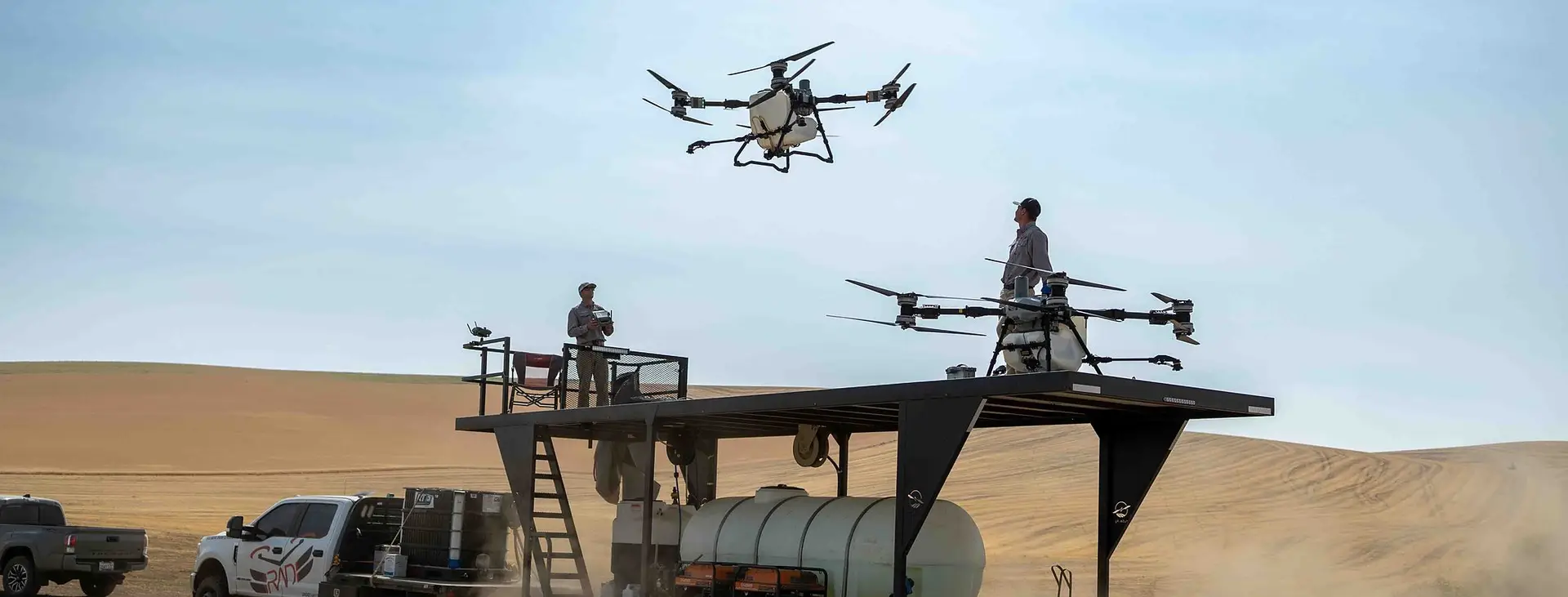
The FCC’s Conditional Approval process asks for far more than a traditional equipment authorization. Cody’s memo lists what applicants can be required to identify; the FCC’s own guidance points the same direction, down to a time-bound onshoring plan. [4][11]
According to DJI representatives, localizing manufacturing and assembly is one of DJI’s potential long-term approaches to the U.S. environment, and the company has expressed openness to collaboration with American companies: manufacturing, assembly, component sourcing, payload development, docking systems or other integrations. Manufacturing capacity in China, they say, is not the bottleneck. Entry into the United States is. [11]
Not all localization is equal. The Anzu proceeding indicates that foreign assembly—or a U.S.-based brand using technology licensed or shared with an entity named in Section 1709—may still face Covered List scrutiny. A qualifying U.S. pathway depends on the full record: technology, component origin, manufacturing, final assembly and any approved onshoring plan. Whether DJI can satisfy those requirements remains unknown. [6]
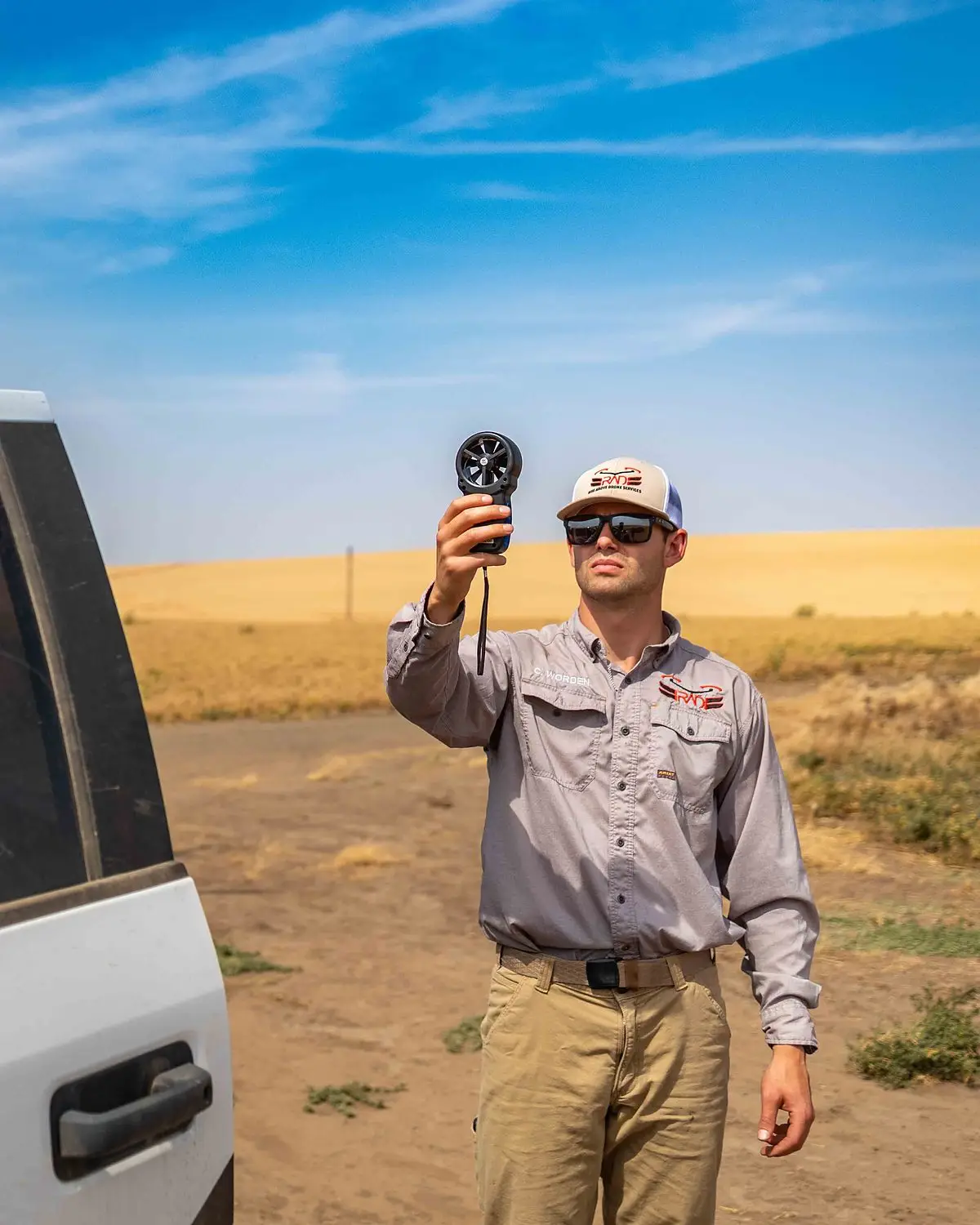
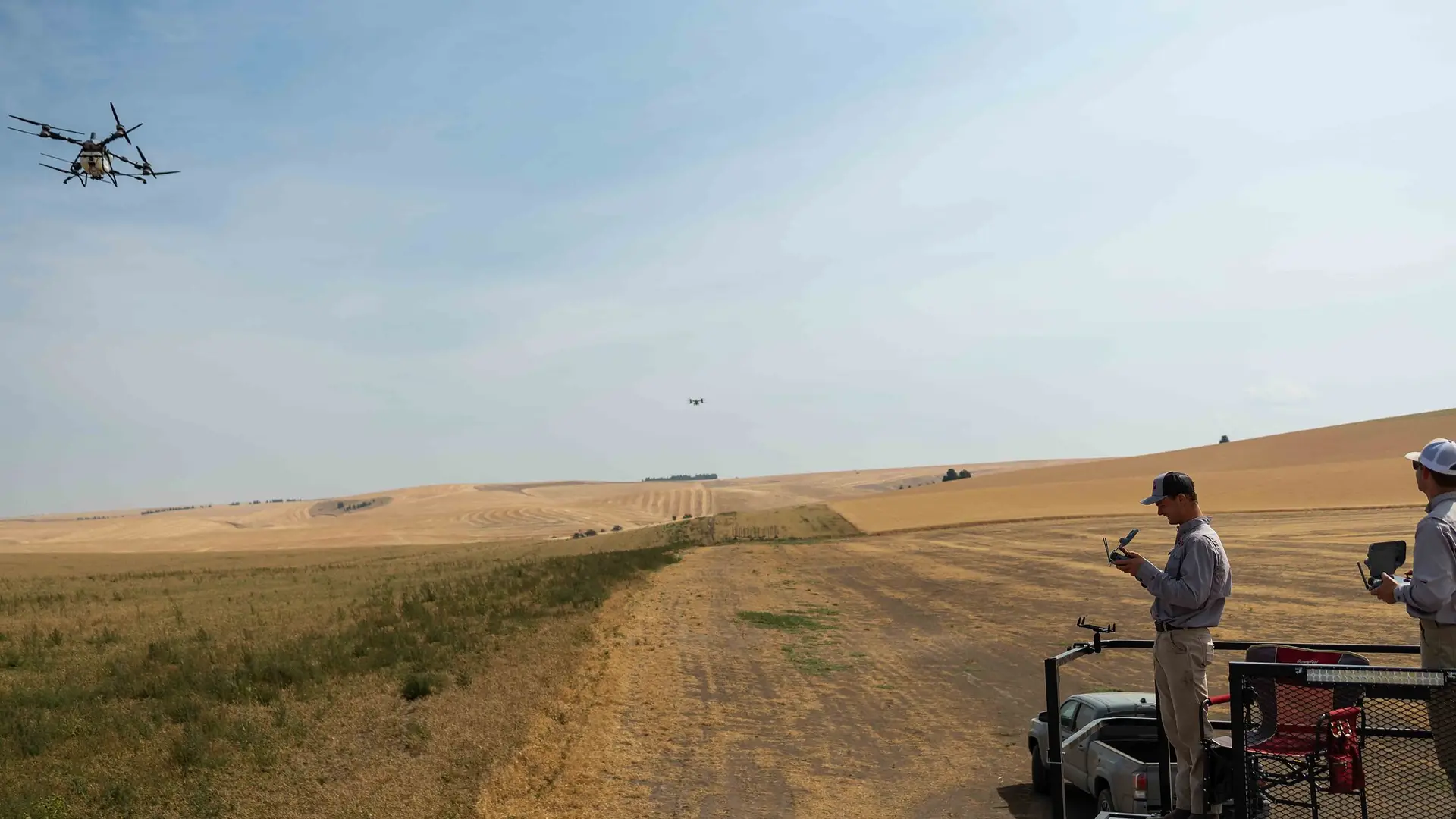
Policy sets the route. Field conditions, support and uptime decide whether it works.
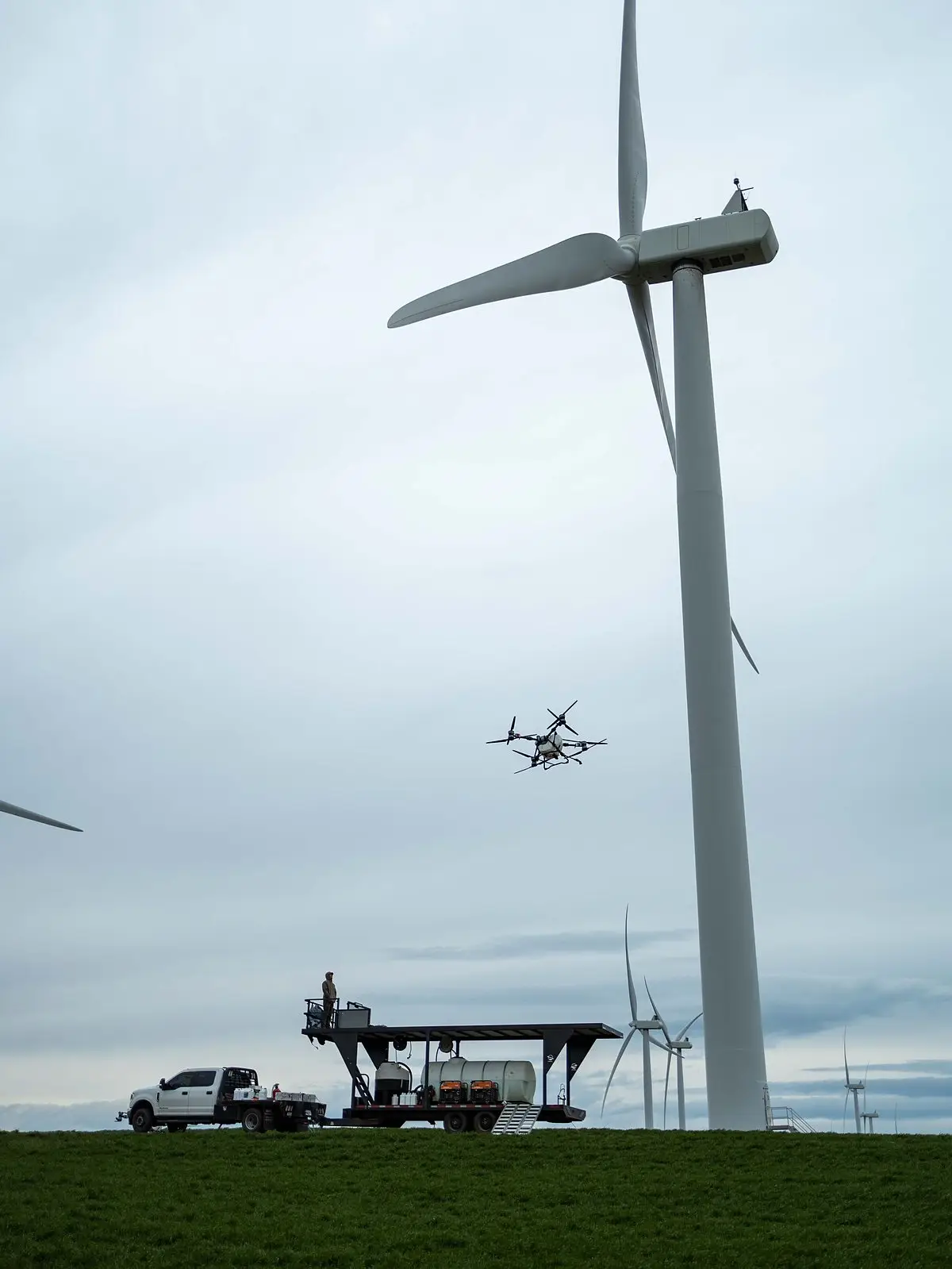
Wind check before a run, RADS field operations
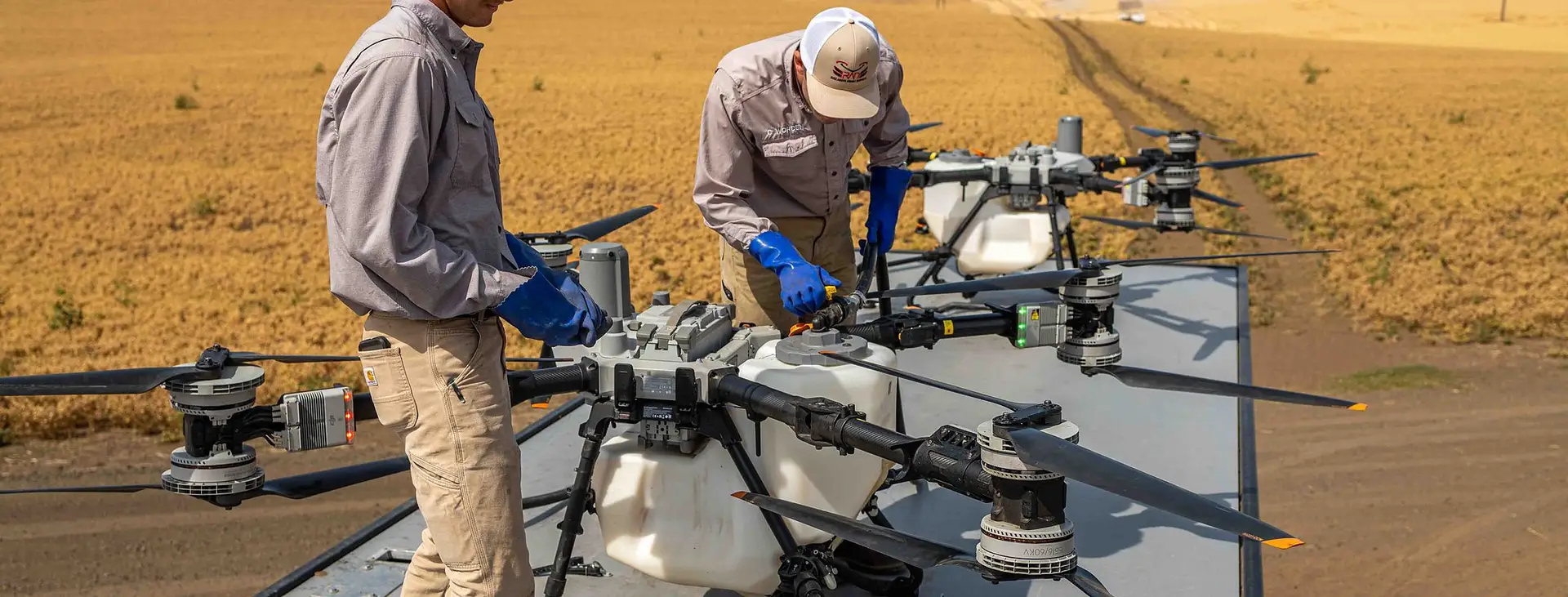
Domestic or substantially domestic aircraft may carry a different regulatory outlook as policy pushes toward U.S. manufacturing. That advantage still has to be weighed against capability and economics: regulatory exposure, purchase price, spraying productivity, spreading, terrain following, obstacle avoidance, battery infrastructure, relay and network capability, parts, dealer network, software maturity, repairability, payload ecosystem and resale value.
A regulatory advantage does not establish operational equivalence. Superior capability does not eliminate regulatory risk. A serious purchase accounts for both. [11]
The Covered List action covers foreign-produced UAS and critical components broadly, not DJI’s agricultural line alone. XAG and other foreign suppliers operate inside the same policy environment, so switching logos does not remove the exposure. Compare each manufacturer’s regulatory position, U.S. supply chain, support network, parts inventory, capability and long-term strategy. [3][11]
DJI maintains regional product controls, and some aircraft and versions are intended only for particular markets. Whatever an unauthorized import saves has to be weighed against regional activation limits, warranty eligibility, software compatibility, parts support, dealer support and regulatory compliance. For an aircraft that earns revenue, purchase price is one component of ownership risk. [11]
Treating every DJI headline as if it carried the same consequence is how buyers freeze, or overpay. Cody’s memo ranks the risk; we have kept his order.
Operating an already-authorized aircraft that is already in the United States.
Long-term availability and pricing of imported replacement components.
Future availability of aircraft that have not yet received U.S. authorization.
Predicting which future DJI platforms will qualify under evolving Conditional Approval and domestic-manufacturing requirements.
For a commercial operator, the biggest long-term threat is not missing the next generation. It is one of these six. As of 2026, none of them follows automatically from restrictions on future foreign UAS equipment. [11]
Confirm operating authority, stock the parts that stop a season, write down the service pathway, and keep software dependencies current.
Exact model identifier, prior U.S. entry, the FCC authorization record, package contents, warranty and an accountable seller.
Shared batteries, chargers, spares, training and workflow cut friction. Balance that against deeper dependence on one support chain.
The technology may be better. U.S. authorization, import economics, launch timing and dealer support are less certain than a unit on the lot today.
Ask them at the desk, not after delivery. A serious dealer will have the answers in writing.
Ask for the model identifier and the authorization, not a statement about the brand in general.
Ask for documentation showing whether and when the goods were entered for consumption or withdrawn from warehouse for consumption. A warehouse address or statement that the aircraft is “already in America” does not answer that question.
Aircraft, batteries, chargers, generator, RTK equipment and application hardware, itemized.
Real inventory, normal lead times, and the parts most likely to stop an operation.
First call, repair location, turnaround expectation and escalation path, before delivery.
Separate the manufacturer warranty, the dealer’s commitments and any third-party coverage.
Document every digital dependency. Then ask how mature the platform is today.
Operating authority is mission-specific. Confirm the pathway for your actual jobs.
History and classification, not assurances.
Loaners, spare units, repair priority and who protects the window.
Public rules, manufacturer-channel conversations and RADS judgment do not carry the same weight. Every module above is tagged Confirmed (linked public record), Heard · DJI channel (what DJI representatives told RADS), RADS view (our judgment) or Unresolved (scenarios nobody can promise), so you can use each for what it is worth.
[11] Rise Above Drone Services, LLC (Cody). DJI and the American spray drone market: market outlook, regulatory risk and long-term support, 2026. August 22, 2026. Incorporates publicly verifiable facts and statements DJI representatives made directly to RADS about support strategy, product plans, inventory allocation, development priorities and manufacturing strategy. Channel intelligence for this edition includes Cody’s direct meeting with DJI’s national sales representative for the United States. The second category is industry information from DJI personnel, not a guarantee of regulatory outcomes.
Disclaimer. This briefing provides general educational information, not legal, customs, tax, aviation, pesticide or investment advice. Regulations, tariff classifications, product availability and FCC determinations can change. Verify the exact aircraft, its FCC authorization, HTS classification, origin, customs status, exemptions, operating authority and state requirements at the time of purchase.
Buy the aircraft, the support system and the operating capacity you can actually put to work. If the facts do not support the purchase, the right answer may be to wait. If they do, build the support plan before delivery day.
Rise Above Drones · Walla Walla, Washington · FAA Part 137 certified · Section 44807 exempt · DJI Agras sales, service and application across Washington and Oregon